Following dental treatment or surgery, it’s normal to have questions about what to expect during the healing process. The instructions below provide general guidance for caring for your teeth and gums after common procedures at Kaminsky-Wolf Dental Associates.
Every patient and procedure is different, so please follow any specific instructions provided by your doctor. If you have questions or something doesn’t feel right during your recovery, our team is here to help.
After Cosmetic Dental Reconstruction
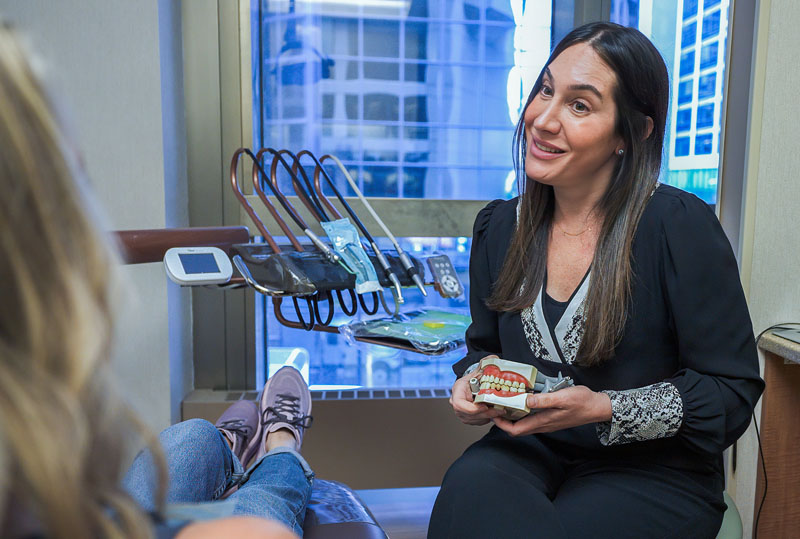 It can take some time to adjust to the feel of your new bite. When the position or thickness of your teeth has changed, your brain may need several days to recognize the new position as normal. If you continue to notice high spots or feel that your bite is uneven, please call our office so we can schedule an adjustment.
Some hot and cold sensitivity is normal following treatment. Your teeth may need time to recover after tooth structure has been removed, and your gums may also be sore for a few days. Warm salt water rinses (one teaspoon of salt in one cup of warm water) three times a day may help reduce discomfort and swelling. A mild pain medication, such as Tylenol or ibuprofen (Motrin), may also help with residual discomfort. Follow the dosage instructions provided by our office or on the medication label.
Your speech may feel slightly different for the first few days as you adjust to your new smile. You may also notice increased salivation as your brain adapts to the new size and shape of your teeth. This typically returns to normal as you adjust.
Daily brushing and flossing are essential for caring for your new dental work. Regular plaque removal and routine professional cleanings are important for maintaining your oral health and your restorations.
Foods or habits that can crack, chip, or damage a natural tooth can also damage your new dental work. Avoid hard foods and substances such as ice, peanut brittle, beer nuts, fingernails, and pencils, as well as sticky candies. Smoking can stain your dental work, and you may want to minimize foods and beverages that can cause staining, including coffee, red wine, tea, and berries.
Adjusting to the look and feel of your new smile takes time. If you have questions or concerns during the adjustment period, please contact our office.
After Crown and Bridge Appointments
Dental crowns and bridges typically require two or three appointments to complete. During the first appointment, the teeth are prepared and impressions or digital scans are taken. Temporary crowns or bridges are placed to protect the prepared teeth while your custom restoration is being made.
Because the teeth and surrounding tissues may be numb after your appointment, avoid eating and drinking hot beverages until the numbness has completely worn off.
Caring for Your Temporary Crown or Bridge
Occasionally, a temporary crown or bridge may come loose or come off. If this happens, please call our office and bring the temporary restoration with you so we can determine whether it can be re-cemented. Keeping the temporary in place helps protect the prepared teeth and maintain the space needed for your final restoration.
To help keep your temporary restoration in place:
- Avoid sticky foods such as gum and hard foods.
- When possible, chew on the opposite side of your mouth.
- Brush normally, but floss carefully.
- Rather than pulling floss upward, slide it out from the side of the temporary restoration to help prevent it from becoming dislodged.
Some temperature and pressure sensitivity is normal after crown or bridge appointments. Sensitivity should gradually improve following placement of the final restoration. Mild pain medication may also be used as directed by our office.
If your bite feels uneven, you experience persistent pain, or you have any other questions or concerns, please contact our office.
After Tooth Extraction
After a tooth is extracted, a blood clot needs to form at the extraction site to help stop bleeding and begin the healing process. Bite firmly on the gauze pad provided by our office for 30-45 minutes after your appointment. If bleeding or oozing continues, place another gauze pad and apply firm pressure for another 30 minutes. This may need to be repeated.
Once the blood clot forms, it’s important to avoid disturbing it while the area heals. For the first 72 hours, do not:
- Rinse vigorously.
- Drink through a straw.
- Smoke.
- Drink alcohol.
- Brush directly next to the extraction site.
These activities can disturb the blood clot and interfere with healing. Limit strenuous exercise for the first 24 hours, as increased blood pressure may contribute to additional bleeding.
Some pain and swelling are normal after an extraction. An ice pack or unopened bag of frozen peas or corn applied to the area can help minimize swelling. Take pain medication as directed by our office. Swelling often begins to decrease after about 48 hours.
Drink plenty of fluids and choose nutritious soft foods on the day of your extraction. You can gradually return to your normal diet as you feel comfortable.
Resume your normal dental hygiene routine after 24 hours, including brushing and flossing the teeth away from the extraction site. Keeping your mouth clean supports the healing process.
If you experience heavy bleeding, severe pain, continued or worsening swelling, or a reaction to medication, please contact our office promptly.
After Composite Fillings (White Fillings)
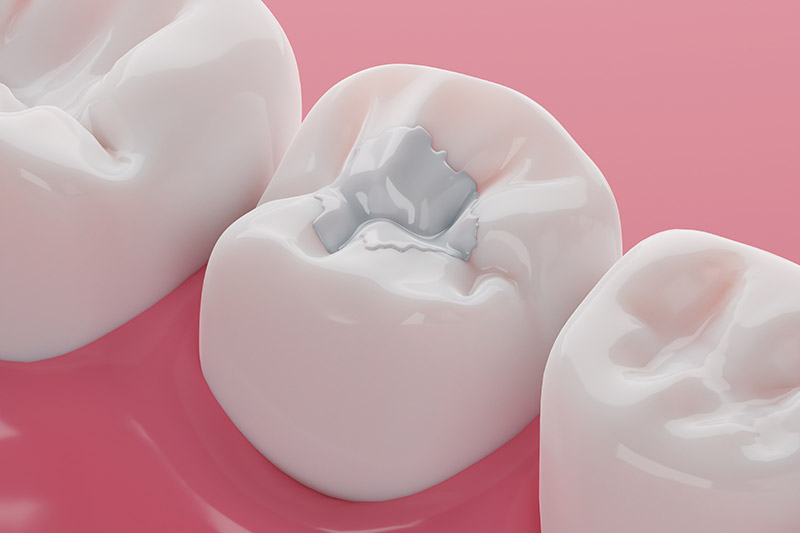 If an anesthetic was used, your lips and tongue may remain numb for several hours after your appointment. Avoid chewing and hot beverages until the numbness has completely worn off to prevent accidentally biting or burning your tongue or lip.
Some hot, cold, or pressure sensitivity is normal after a composite filling. Injection sites may also be sore. Ibuprofen (Motrin), Tylenol, or other pain medication may be used as directed by our office or according to the medication label.
You can chew with your new composite fillings once the anesthetic has completely worn off because the material is fully set when you leave the office.
If pressure sensitivity continues beyond a few days, sensitivity to hot or cold increases, your bite feels uneven, or you experience persistent pain, please contact our office.
Endodontic Post-Operative Instructions
We hope your root canal treatment at Kaminsky-Wolf Dental Associates was a comfortable experience. Some soreness around the treated tooth or injection site can occur during the healing process. In some cases, mild to moderate discomfort may continue for several days.
Take pain medication as directed by your doctor or according to the medication label. If your doctor has provided specific medication instructions, follow those instructions carefully.
Guidelines for Post-Treatment Care
- Do not eat until the numbness in your mouth has worn off to avoid biting your cheek or tongue.
- Avoid hard foods and hard substances on the treated tooth.
- You may brush and floss your other teeth, but follow your doctor’s instructions regarding flossing around the treated tooth. A temporary filling may make flossing in that area difficult.
- It is not unusual for some temporary filling material to wear away. If you feel that the entire temporary filling has come out, please contact our office.
- If swelling develops following endodontic treatment, contact our office. Your doctor will determine whether additional treatment or medication is appropriate.
- Schedule the recommended appointment for placement of the final restoration.
Postoperative Instructions Following Periodontal Surgery
Following periodontal surgery, careful aftercare is important for supporting the healing process.
- Activity. Avoid strenuous activity as directed by your doctor.
- Sleeping. Sleep with your head elevated.
- Rinsing. Do not rinse during the first day after surgery. After the first day, you may gently rinse with warm salt water or any prescribed rinse. Do not rinse vigorously or spit forcefully.
- Eating. Chew on the non-surgical side of your mouth. Soft foods are recommended during the first day. Afterward, maintain a balanced diet to support healing. Suggested foods include milkshakes, warm (not hot) soup, eggs, cottage cheese, ground meat, bananas, cooked fish, and soft bread.
- Smoking. Avoid smoking, as it can interfere with wound healing.
- Brushing. Continue brushing the teeth around the surgical area as directed, but do not brush directly over the surgical site during the initial healing period unless instructed otherwise.
- Medication. If medications are prescribed, take them exactly as directed.
- Surgical dressing. A surgical dressing may be placed to protect the site. Avoid very hot liquids, which can soften the dressing. If small pieces of the dressing become loose, don’t be alarmed. Your doctor will remove the dressing during a postoperative visit when appropriate.
- Cold packs. Apply cold packs on and off during the first day to help minimize swelling.
- Bleeding. Some oozing is normal. If bleeding is continuous or extensive, apply firm pressure with gauze or a damp tea bag for 30 minutes, use a cold pack, and keep your head elevated. Contact our office if bleeding continues.
- Discomfort. Some discomfort is expected after surgery. Take any prescribed pain medication as directed. If no medication was prescribed, follow your doctor’s recommendations for appropriate over-the-counter pain relief.
Please call our office with any questions or concerns. After office hours, the doctor may be reached through the answering service.
For Graft Surgeries
 Protecting the graft during the initial healing period is especially important. Do not pull your lip or cheek up or down to look at the surgical site, as this can disturb the graft or the tissue beneath the dressing.
Take any prescribed medications and anti-inflammatory medications as directed. Swelling can occur as part of the normal healing process.
The grafted area may look unusual during the first couple of weeks. After the dressing is removed, the area may appear red or white. These changes can be part of the normal healing process.
Do not brush the surgical area for at least two weeks unless your doctor gives you different instructions. A prescribed antibacterial rinse may be used in place of brushing in that area during the initial healing period.
Regular postoperative visits with your periodontist are important for monitoring the surgical site and healing progress.
Questions During Your Recovery?
Healing takes time, and every procedure has its own recovery process. If you’re unsure whether something you’re experiencing is normal, don’t hesitate to contact Kaminsky-Wolf Dental Associates. Our team is happy to answer your questions and help you understand what to expect as you heal.
If you experience symptoms that concern you or feel that your recovery isn’t progressing as expected, please contact our office for guidance.